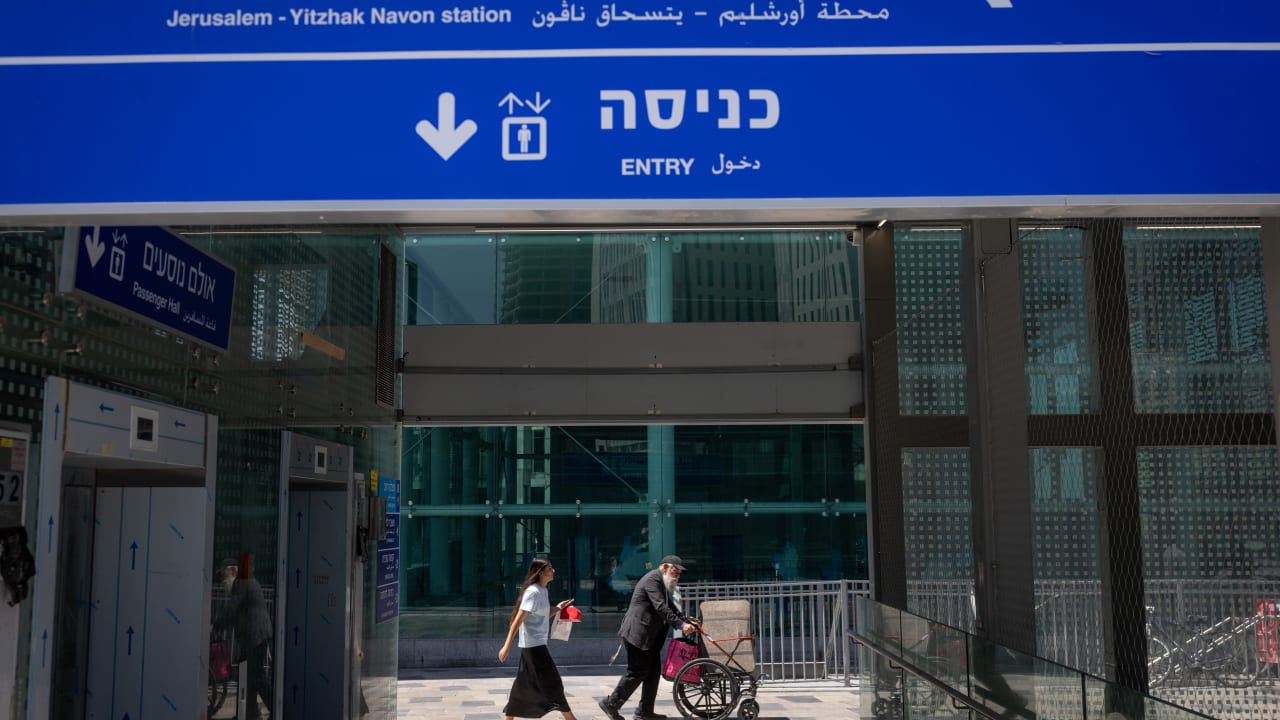
Israel Railways will increase the frequency of trains between Jerusalem and central Israel to three per hour during peak hours starting Sunday, November 29, marking the first major frequency increase since the high-speed line opened in 2018.
The move comes after more than 45 million passengers have passed through Jerusalem's Yitzhak Navon station since its inauguration. The railway operator plans to further increase peak-hour frequency to four trains per hour in 2027.
Currently, the line operates only two trains per hour, except for three services between 7 a.m. and 8 a.m. The limited frequency has led to long waiting times and reduced the route's appeal, despite carrying more than 70,000 passengers on busy days and about 50,000 on regular weekdays.
Jerusalem train frequency to increase during morning and afternoon rush hours
The additional trains will operate between 6 a.m. and 9 a.m. and between 3 p.m. and 7 p.m., increasing service frequency at intermediate stations, including Ben-Gurion Airport, Tel Aviv, Herzliya, and other stops along the route.
The updated schedule will take effect on Sunday, November 29, providing more frequent connections between Jerusalem and central Israel during the busiest commuting hours.
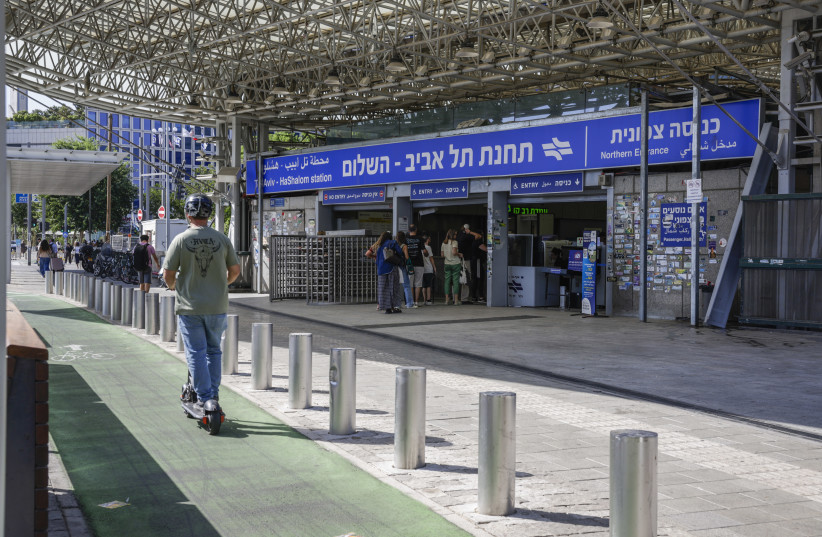
New entrance planned for Jerusalem's Yitzhak Navon station
In the coming weeks, Israel Railways is also expected to open a new entrance to Yitzhak Navon station from the direction of the Supreme Court and the Shazar parking facility.
The entrance is intended to improve passenger flow and reduce congestion at the station, although it will primarily address crowding on the route to the intermediate level.
Congestion between that level and the platforms is expected to remain an issue due to the limited number of elevators.
Advanced signaling system allows more trains on existing tracks
The increased train frequency has been made possible in part by the implementation of the European Train Control System (ETCS) Level 2, an advanced signaling technology that allows more frequent train services on existing railway infrastructure while improving punctuality and safety.
The Jerusalem high-speed line is the first in Israel to use the technology, which is expected to be introduced on additional routes.
Its wider implementation is also intended to support increased train frequency along the Ayalon railway corridor, one of the country's busiest rail arteries.
Jerusalem railway expansion to add two underground stations
The timetable upgrade is part of a broader effort to improve railway transportation in Jerusalem.
Israel Railways is currently advancing plans to extend the high-speed line to the historic Khan railway station through an underground route, with two new stations, Jerusalem Central and Jerusalem Khan, under development.
The new stations are expected to improve passenger distribution across the capital and provide more convenient direct rail access to central Jerusalem.
However, the stations are not expected to begin operating until the early 2030s.
Israel Railways to add services in Netanya, Modi'in, and Hadera
The timetable changes will also affect several other routes across the national rail network.
At Netanya station, peak-hour service frequency will increase to five trains per hour.
Morning services between Jerusalem Yitzhak Navon and Modi'in Center will also increase, with two additional trains scheduled between 7 a.m. and 9 a.m.
At Hadera West station, minor timetable adjustments will be introduced to create more evenly spaced departures and improve passenger service.
Israel Railways will also add two passenger trains on the Jerusalem Yitzhak Navon-Hadera route between 5 a.m. and 6 a.m., with one additional service operating in each direction.