Two paradigms shaping Iran’s response to the Israel-US war - opinion
Unlike other regimes, Tehran filters decisions through a theological lens, making its behavior unique and consequential both regionally and internally.
Nuclear deterrence may be lowering the risk of world war, even as global tensions intensify and Iran raises concerns.
From Mamdani's perspective, inviting Khalil is not at all a liability, but, rather, a plus in setting the new rules by which he hopes his supporters will play.
American Jewish leaders risk losing influence unless they align with Israeli realities on settlements, security, and the future of Judea and Samaria.
Europe and Canada prioritize diplomacy over defending Israel, highlighting the West's collapse of values.
The Strait of Hormuz is not just another geopolitical flashpoint. It is the artery through which roughly a fifth of the world’s oil supply flows.
Shas moves quickly to fill rabbinic vacancies, sidelining candidates who fit their cities.
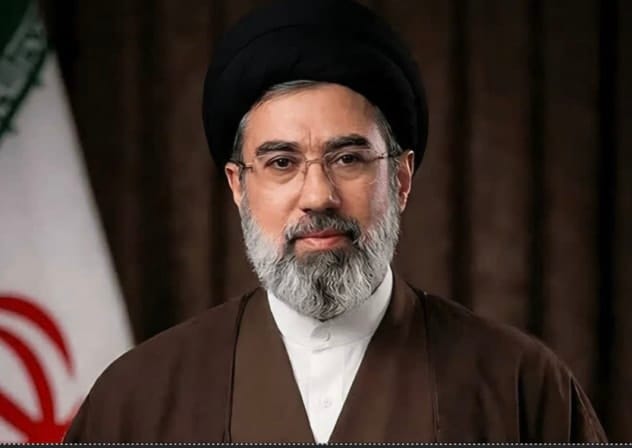
Iran appears to be entering a transitional phase in which the relationship between clerical authority and military power is being recalibrated.
Authoritarian regimes collapse only when citizens, elites, and enough members of the security forces believe that an alternative political order is both desirable and within reach.
The central challenge of the international community is no longer preventing war between the superpowers, but rather containing attempts by radical regimes to breach the limits of deterrence.
Trump has aggressively taken away power from Congress, much of it surrendered willingly, thanks to weak and inept leadership.