Under attack at home and abroad, the Jewish people stand as one - opinion
From Beit Shemesh to Michigan, Jews worldwide have faced tragedy are connected by a shared destiny.

From Beit Shemesh to Michigan, Jews worldwide have faced tragedy are connected by a shared destiny.


The technological revolution now underway is beginning to change the rules of the game.

A widening conflict between Israel and Iran is beginning to tie the Union’s economic future to decisions made in Jerusalem.

Iranian leaders have long framed their military posture as defensive. Yet the reality unfolding across the Middle East tells a very different story.
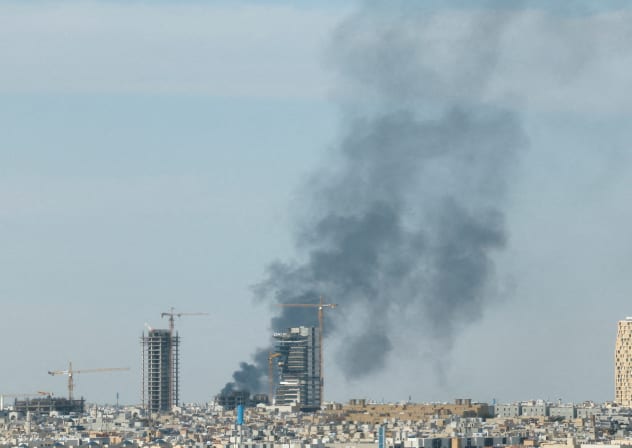
The present war presents a dual mission: to remove the existential military threat posed by the Iranian axis and to remove the cultural-moral threat that blurs the distinction between good and bad.

To genuinely weaken the Iranian system requires a comprehensive strategy – one that places the political realities of the region’s peoples at its center.

Security is about getting political and ideological support to Jewish New Yorkers who are connected to Israel.

Unlike other regimes, Tehran filters decisions through a theological lens, making its behavior unique and consequential both regionally and internally.

For many, there is a shared sense that this moment demands endurance. If Iran can be dealt with as it needs to be, then in the long term, we will all be better for it. That is Israeli resilience.

We owe Tucker a debt of gratitude because he is giving us an opportunity to sort out some fundamental truths.

Trump leads the US in the Iran war for national security, while Carlson spreads false anti-Israel claims.
