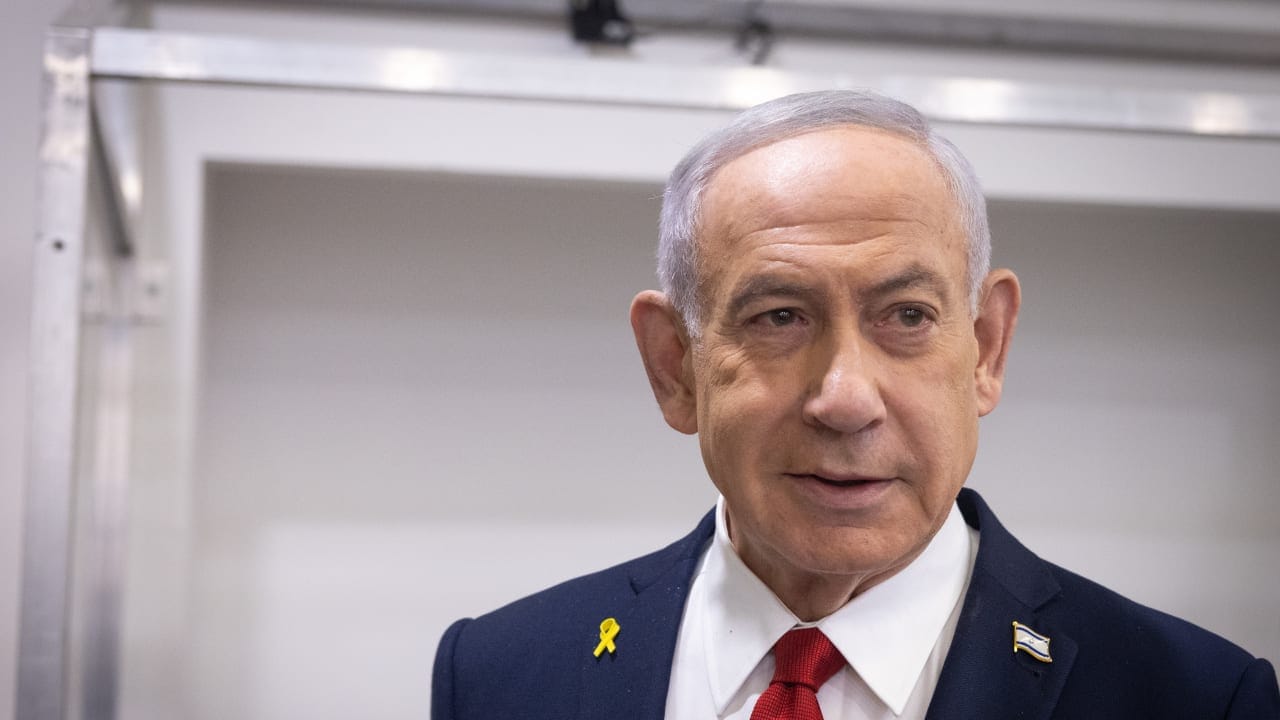
Additional materials concerning Prime Minister Benjamin Netanyahu’s pardon request have been transferred following further questions and supplementary requests raised in the course of the Justice Ministry’s Pardons Department’s review, it announced.
The announcement, issued by the department’s spokesperson on Wednesday, was brief and did not indicate whether a decision was near.
That makes Wednesday’s development primarily important because it confirms that Netanyahu’s request remains active and is still moving through the formal clemency process.
The move follows earlier reporting that more information had been sought on several issues tied to the case.
But the clearest confirmed fact for now is simply that the requested supplementary material was delivered.
Netanyahu’s application has been exceptional from the start. He submitted the request in late November 2025 while his criminal trial was still underway – an extraordinary step in a system where pardons are more commonly associated with convictions, sentences, or clearly defined humanitarian or public-interest circumstances.

Netanyahu's clemency request moves forward
The prime minister is on trial in three corruption cases and faces one bribery charge alongside charges of fraud and breach of trust, all of which he denies.
Under Israel’s clemency framework, the president is the formal authority empowered to grant a pardon, but the request does not pass directly from the applicant to the president.
Rather, the Pardons Department reviews the application, gathers relevant materials and opinions, and prepares its professional position. The minister handling the file then submits a recommendation before the matter reaches the president for a final decision.
That process has taken on unusual visibility in Netanyahu’s case because of both the timing of the request and the identity of the applicant.
Part of the broader drama has been the question of who, within the government, would handle the file. Justice Minister Yariv Levin transferred responsibility for the matter to Heritage Minister Amichai Eliyahu, and Eliyahu later submitted his opinion as part of the material forwarded in the case.
Local media sources have also reported that the heritage minister backed the idea of a pardon, framing it as justified on public-interest grounds despite the unusual legal posture of the request.
The legal sensitivity lies in what such a pardon would actually mean. Because Netanyahu’s trial is ongoing, clemency here would not be the familiar end-stage use of presidential mercy after a case has run its course.
It would instead amount to presidential intervention in a proceeding that has not yet concluded, which is why the question of precedent has loomed so large in the case’s coverage.
According to reports, supplementary information was sought on prior instances involving the exercise of pardon powers before the end of criminal proceedings, but that remains part of the reported background rather than a publicly detailed legal ruling.
That broader legal uncertainty has fed sharply different narratives around the request. Supporters have presented a pardon as a national-interest measure that could end years of political and institutional strain.
Critics have argued that granting clemency before verdict – and without the usual markers associated with pardon practice, such as the conclusion of proceedings or acceptance of responsibility – would place enormous pressure on the principle that criminal cases must be allowed to run their course.
The case has also unfolded against a highly political backdrop. US President Donald Trump has repeatedly and publicly urged that Netanyahu be pardoned.
Just last month, Trump said again that Netanyahu should not be distracted by anything other than the war with Iran and called for clemency to be granted immediately.
The US president has been pressing the issue for months, turning what might otherwise have remained a domestic legal matter into one with a pronounced international and diplomatic dimension.
Simultaneously, coalition allies have continued to push the notion from within Israel’s political system. That support has helped keep the pardon request in the public eye even as the legal process itself has remained largely opaque.
In practical terms, Wednesday’s update does not reveal an outcome, a timetable, or a recommendation.
What it does disclose is that more material was requested and supplied, and that one of the most politically charged clemency proceedings in recent Israeli history is still inching forward through formal channels.