Psychology
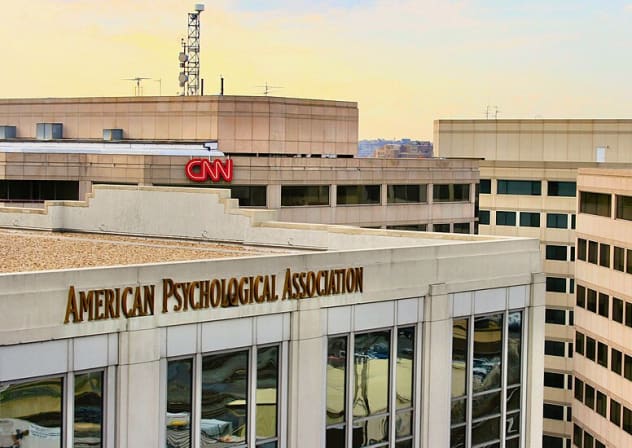
‘Jews are white’: US minority psychologists’ coalition rejects Jewish ethnic recognition
The statement was endorsed by six ethnic psychological associations, including Asian American, Black, Latino/a, Arab/MENA, and Native-American groups, representing about 2,000 members.
'The Jewish Journey Through Loss': Combining halacha and psychology in order to heal - review

Facing the reality slap: coping when life doesn’t go as planned - opinion

Sexual minority Israelis report higher depression, anxiety, suicide ideation, study finds
Psychologist warns: A concerning effect of smartphones on children
More and more parents describe a child with “lots of friends,” but relationships that exist only online—leading to emotional disconnection and difficulty forming real-world relationships.

Unfairness perceptions may intensify, prolonging psychological trauma after war, HUJI study says
The longitudinal research was conducted in the aftermath of the October 7 Hamas attack and the subsequent war, examining how cognitive patterns known as perceived injustice shape responses to trauma.

The war that never pauses: How rolling trauma is shaping Israeli life - opinion
In the past, we were used to thinking of trauma as an event with a beginning, middle, and end. The ongoing war and the current tension surrounding Iran break this sequence.

'The Seven Facets of Healing': The compassionate companion - book review
Rabbi Leo Dee does not write about trauma from a theoretical distance, nor is the book solely a memoir. Instead, he combines his own experience within a broader human framework.

Subtle face movements can indicate your decisions, scientists say
A study challenges the long-held view that facial mimicry functions primarily as a social tool for politeness or empathy, showing instead that it is an integral component of preference formation.

The psychology of knowing and how we decide when to ignore information
Sometimes we avoid information, and sometimes we deliberately seek painful information. Both avoiding useful and seeking painful information help manage emotional readiness and needs.

The surprising phenomenon among organ transplant recipients
Studies and testimonies indicate that many organ transplant recipients experience changes in personality and preferences. Is this psychology, physiology – or a complex combination of the two?

Why spending time with grandchildren can ease war trauma for Israel's seniors
For Israelis over 60, time with grandchildren is more than joy; it’s healing, easing war stress, loneliness, and emotional scars.

Parashat Vayigash: A shoulder of tears
Though the formal verse of 'Shema, Israel' would only be inscribed later in Torah, Jacob sensed its truth centuries earlier.

Avoiding information can be coping strategy for threatening situations, study finds
“Our decisions about information are not only functional but often emotional,” the researchers wrote.
