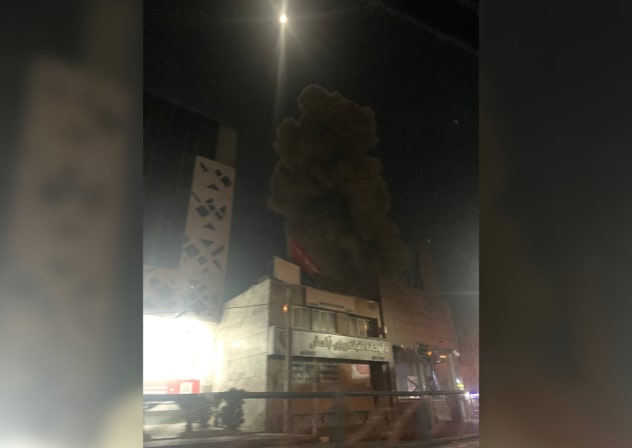
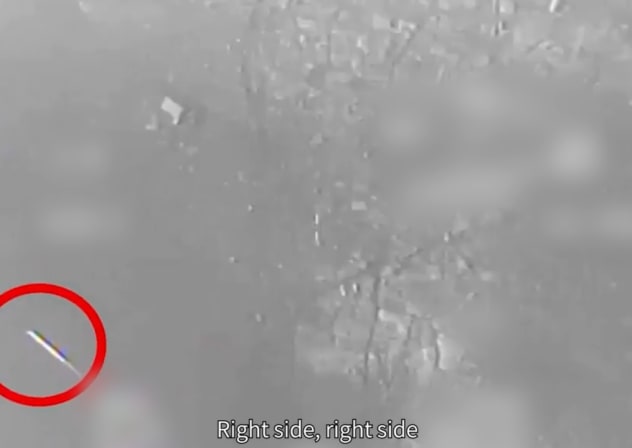
IDF strikes IRGC broadcasting headquarters in Tehran
Semi-official IRGC news outlet Tasnim reported that two explosions were witnessed in the area of the broadcasting building.
Some estimates suggest much higher numbers, with facilities belonging to the IRGC, the Basij militia, and government buildings having been hit.
As the Israel-Iran war intensifies, experts explain the key differences between now and June's conflict, highlighting changes in military tactics and regional stability.
The current fighting marks the latest episode of escalation between the two Muslim states after weeks of escalating tensions and is their most significant conflict since 2021.
Arab states in the Gulf, all close US allies, have come under Iranian drone and missile attack since the United States and Israel launched airstrikes on Saturday.
The US may have struck Isfahan, where IAEA Director-General Rafael Grossi said Iran's 60% enriched uranium may be stored.
Israel must truly bludgeon the full spectrum and supply line of all elements that can be used to make ballistic missiles, with that issue the only true measuring stick for success in the conflict.
"We're hitting them surgically, overwhelmingly and unapologetically," Hegseth said during a press conference at the Pentagon.
Lieutenant Colonel (Res.) Sarit Zehavi discusses Hezbollah's weakened but still dangerous capabilities and Israel's efforts to curb its growth.
Israel had warned Hezbollah not to get involved; however, rockets were fired at Jerusalem overnight between Sunday and Monday.
According to sources familiar with the details who spoke to The Jerusalem Post, Iran is attempting to protect what it can, reinforce facilities, and remove equipment where possible.