Middle East divided as Iran war, Houthi-Saudi Arabia tensions continue to ramp up
The recent joint US-Saudi attacks marked the first time Riyadh has publicly joined strikes alongside Washington.

The recent joint US-Saudi attacks marked the first time Riyadh has publicly joined strikes alongside Washington.


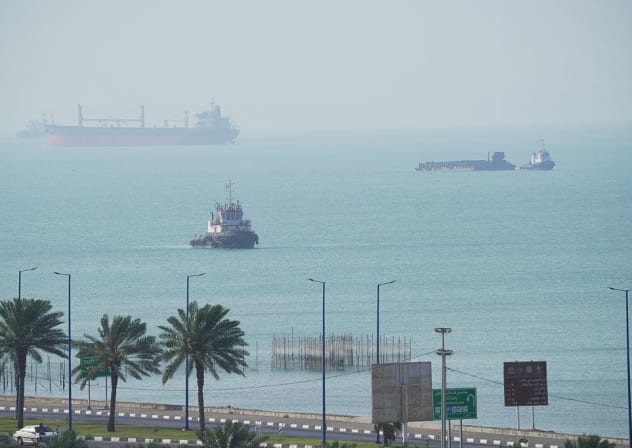
Its departure marks the first time a QatarEnergy-controlled LNG tanker exited the Strait of Hormuz since the Al Rekayyat was struck in early July.

Explosions heard in southern Iran • Iran set to receive hundreds of Chinese shoulder-fired missiles • IDF bulldozer struck by Hezbollah drone • Netanyahu says Trump meeting was successful

Several locations in southern Iran were targeted by US forces, with explosions heard in the cities of Bushehr, Abu Musa, Kish Island, Ahwaz, and Qeshm Island, Iranian state media Press TV reported.

On July 29, CENTCOM said, “CENTCOM forces continue to strictly enforce the US blockade against Iran. As of July 29 CENTCOM has redirected 20 commercial vessels, disabled 2, and boarded 2.”
The strikes followed a series of drone and missile attacks on Saudi Arabia. The United States has made clear that it believes Iran-directed militias are responsible for the escalation.

The composition of the coalition has yet to be finalized and remains under discussion with dozens of countries, the sources said.

A group of Lebanese lawyers accused banker Antoun Sehnaoui of "communicating with the Israeli enemy" for co-hosting a memorial dinner in honor of Republican Senator Lindsey Graham.

“With its economy in freefall and inflation in the triple digits, the regime is desperate for cash,” said Treasury Secretary Scott Bessent.

Yemen's Houthis are considering charging commercial ships to cross Bab el-Mandeb, sources said, after declaring a naval blockade on Saudi Arabia.

A statement from Egypt's petroleum ministry confirmed a fire at the port but made no mention of a drone attack and did not provide a cause for the incident.
