IAEA claims no radiological danger after Israeli-US strikes on Iran's nuclear sites
After Israeli airstrikes on Iranian nuclear sites, the IAEA claims no damage to facilities containing nuclear material and no radiological release risk.

After Israeli airstrikes on Iranian nuclear sites, the IAEA claims no damage to facilities containing nuclear material and no radiological release risk.


A drone strike on an Iranian Kurdish opposition group’s base in Iraq’s Kurdistan wounded two fighters. This attack highlights ongoing tensions between Iran and militant groups in the region.
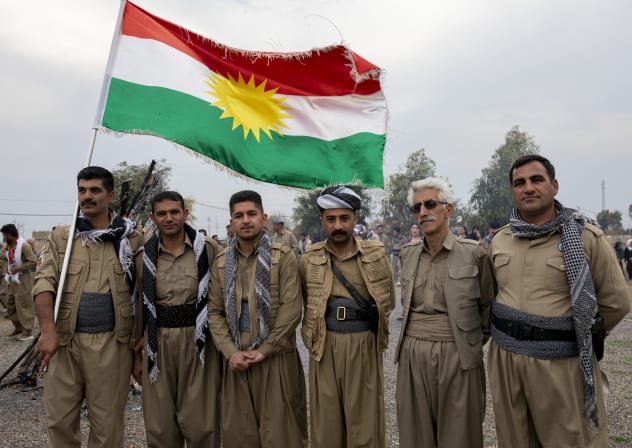
Foreign reports have indicated that the Saudis, the UAE, Qatar, and possibly others may already have attacked Iran or have expressed interest in doing so.

Carlson made the claim in a widely shared Tucker Carlson Network segment titled “BREAKING: Mossad Agents Arrested in Planned Bombing Operation,” calling the alleged arrests an unreported “fact.”

Mojtaba Khamenei, son of the late Ali Khamenei, may become Iran’s next supreme leader, with security ties and long-standing influence shaping his potential rise.

Throughout the conflict and even going back to early January, the Mossad, officially and informally, has been encouraging the Iranian protesters to erupt back into the street against the regime.

A Saudi defense ministry official stated that the attack did not damage the facility, but that it was carried out by a drone.

Iran's Assembly of Experts is expected to announce the country's next supreme leader soon after Ayatollah Ali Khamenei's death.
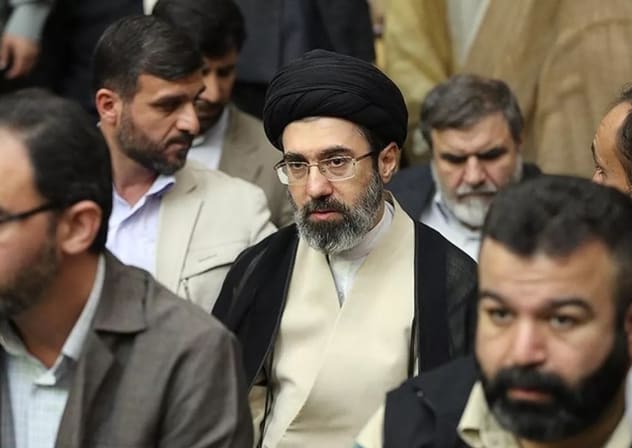
Hojjatoleslam Mahmoudi, head of Iran’s Islamic Propagation Council, said the farewell ceremony would continue for three days and the funeral procession will be announced later.

Washington claims early gains in its Iran offensive as Tehran empties, Gulf shipping is threatened, and global markets brace for further instability.
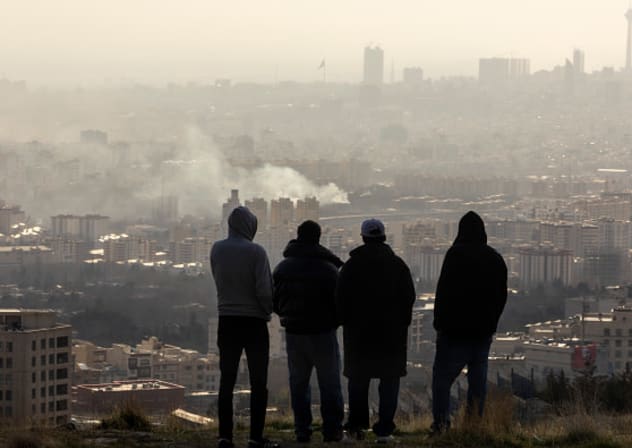
While a final decision has not yet been made, the goal of a joint operation would be to create room for Iranians opposed to the Islamic regime to rise up.
