Why the Houthis waited until now to strike - analysis
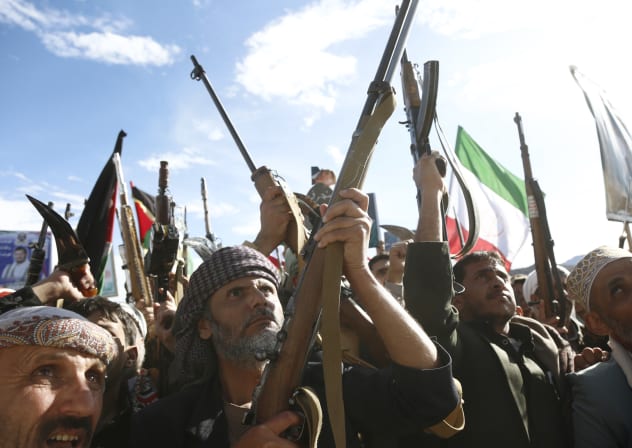
The Houthis successfully hid missiles in caves for years, and the US, Israel, Saudi Arabia, and others were not able to stop the missile and drone attacks or dislodge the group.

The Houthis successfully hid missiles in caves for years, and the US, Israel, Saudi Arabia, and others were not able to stop the missile and drone attacks or dislodge the group.


A weekly selection of opinions and analyses from the Arab media around the world.

Three officers and six soldiers were injured in two separate incidents in Lebanon over the past 24 hours, the IDF said.

Heavily armed and capable of striking Gulf neighbors, any involvement in the Iran conflict by the Houthis could cause major disruption to maritime navigation around the Arabian Peninsula.
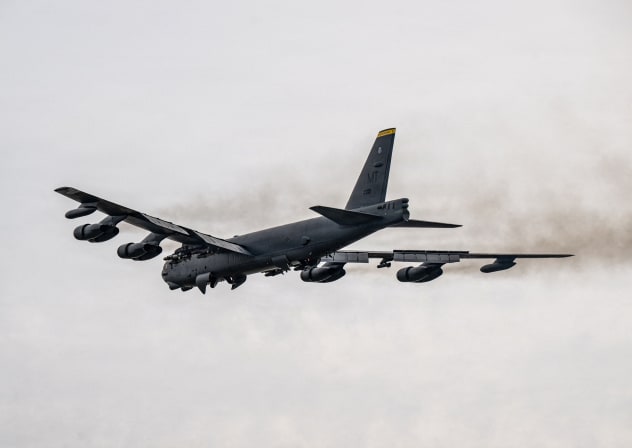
According to The Washington Post, the mines used were American BLU-91/B anti-tank land mines, which are deployed by aircraft using the Gator mine scattering system.
Tehran could use the Houthis to take action in the Bab al-Mandab Strait, which connects the Red Sea to the Gulf of Aden and the Indian Ocean.

Houthis say they developed plan to block Israeli ships in Bab al-Mandab • Hezbollah commanders, sites struck overnight • Five injured in Abu Dhabi in latest Iranian barrage

“If the Lebanese government does not disarm Hezbollah, the IDF will. We will not allow Hezbollah to rearm, and we will continue operating in order to protect our civilians on our northern border.”

According to the Wall Street Journal, the attack, which also involved the use of drones, was confirmed using open-source imagery and data circulating online.

During a speech at the FII Priority Summit in Miami, Trump said that the US is "negotiating now, and it would be great if we could do something, but they have to open it up."

A missile barrage from Iran triggered alarms across southern and central Israel, with police investigating possible shrapnel damage.