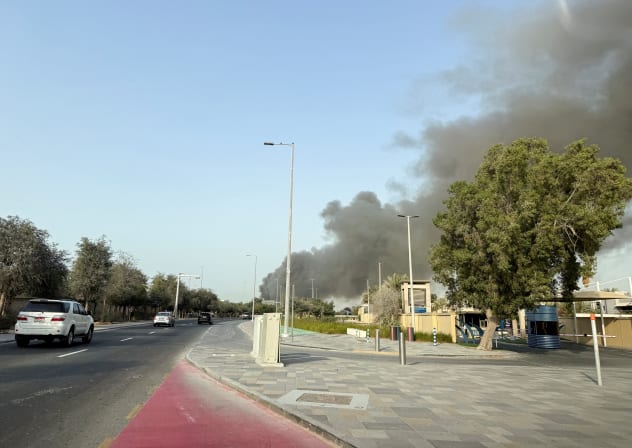
Why Iran's attack on Gulf neighbours mimics Iraq's assault on Saudi Arabia - analysis
Iran's attack might have the opposite effect, bringing Gulf countries closer together and enabling cooperation with the US and among themselves.
MIDDLE EAST AFFAIRS: Kurdish groups in Iran and Iraq have faced incredible hardships. They have persevered. Now they sense that their moment has arrived.
The complexities of Iran's ruling system, the ideological nature of its support base, and the power of its Revolutionary Guards make it hard to predict what might come next.
Prime Minister Benjamin Netanyahu publicly pushed for strikes against Iran, while Saudi Arabia’s role appeared more complex.
One likely candidate to run the Islamic regime after the Ayatollah's death is Ahmad Vahidi, who was the IRGC deputy chief on the eve of the war.
Qalibaf said Iranian authorities had prepared scenarios “including” contingencies for the period after Supreme Leader Ayatollah Ali Khamenei, and pledged that Iran would “continue Khamenei’s path."
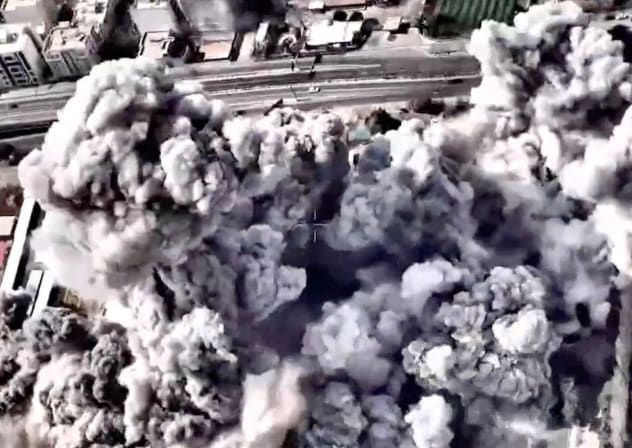
Although it turns out Khamenei was killed likely in the war's opening moments by around 30 bombs around 8:00 a.m. Saturday morning, the more intense response only came later.
One woman killed in central Israel following Iran missile barrage • Pahlavi publishes outline for democratic Iran • Khamenei's advisor, IRGC commander, both confirmed killed in strikes
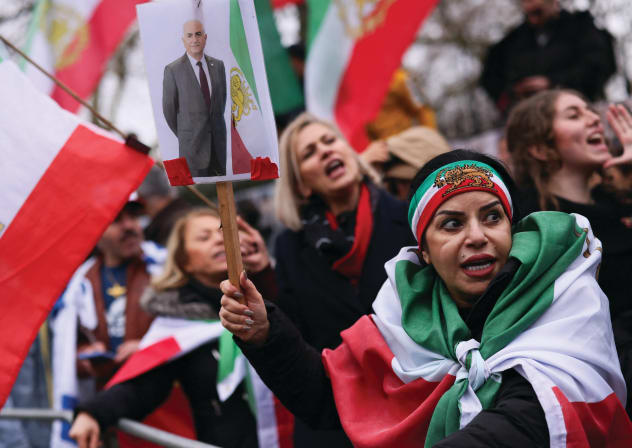
Pahlavi expressed immense gratitude to US President Donald Trump for his role in the operation and for his words of encouragement to Iran's citizens.
At first dismissed as weak and indecisive, Khamenei seemed an unlikely choice for supreme leader after the death of the charismatic Ayatollah Ruhollah Khomeini.
The Iranian reports did not explicitly mention President Masoud Pezeshkian's ability to carry out his political duties.