Seeing ‘one big thing’: Is the Iran war at risk of turning nuclear? - opinion
For Israel and the United States, a nuclear war in the Middle East could take place even while Iran is still non-nuclear.

For Israel and the United States, a nuclear war in the Middle East could take place even while Iran is still non-nuclear.


The Jews were never permanently welcomed anywhere, and now that they have their own homeland, they’re being told they cannot maintain it as a place identified with them.

In contrast to global Muslim leaders who are speaking out against the Iranian regime, there has been a striking silence from some who claim to speak on behalf of the Muslim world, namely, Mamdani.

From Israel’s perspective, there are no more ‘sacrosanct’ borders in its immediate vicinity.
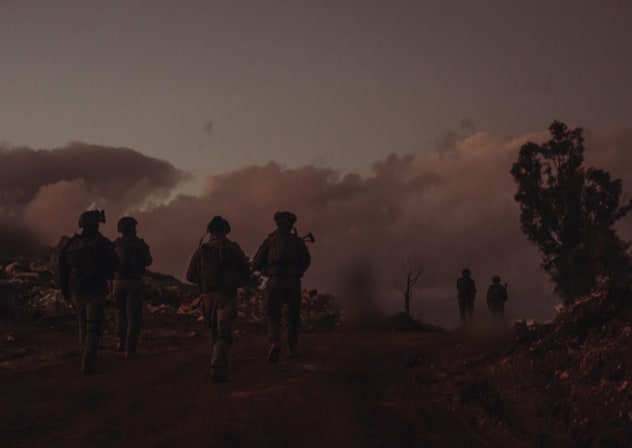
Decades of Western diplomacy misjudged Iran’s ideology, fueling a war that the West was unprepared for.

The strategic consequence of the war is the collapse of core BRI assumptions.
After a tumultuous journey of deconstructing my past, I am now a vocal critic of both hardline religion and the contradictions inherent in trying to create a democratic nation-state.

These institutions and their leaders have betrayed the moral force behind their creation. Instead of fighting for freedom, they stand for and reinforce the slavery of hate and demonization of Israel.

The opposition remains fragmented, though efforts by groups like the Iran Freedom Congress and figures such as Reza Pahlavi point toward a possible unifying framework – one that remains incomplete.

Opposition leader Yair Lapid’s inflammatory statements risk weakening Israeli society and undermining national unity during wartime.

Israel faces a greater danger at home as Netanyahu’s coalition choices risk democracy, social cohesion, and long-term stability.
