The cost of Israel's war is also measured at the Seder table - opinion
Nearly one in four Israelis (24.1%) will celebrate Passover in a more restricted manner this year due to financial constraints.
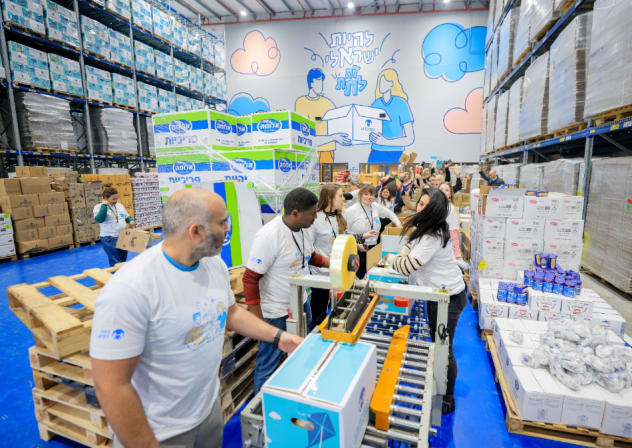
Nearly one in four Israelis (24.1%) will celebrate Passover in a more restricted manner this year due to financial constraints.


Western de-escalation fails against Iran’s endless war; lasting security requires bold measures.

Kurdish forces and US military presence may shape the future of Iran’s opposition and regime stability.

No longer content with merely reacting to external forces, Israel has transformed into the prime intiator.
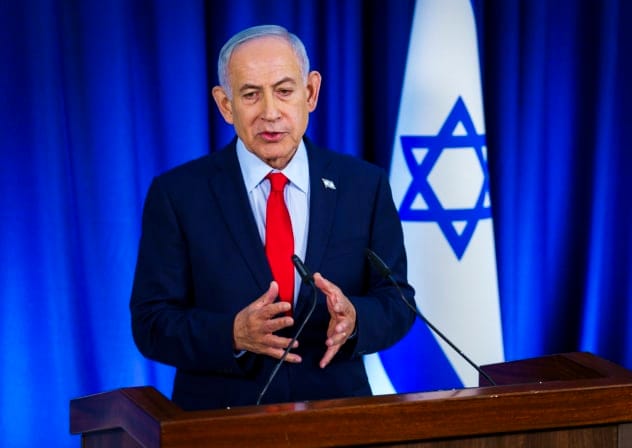
The diplomatic noise that preceded the resolution now looks a little excessive. After all, we are still at war, and therefore, there are restrictions on life.
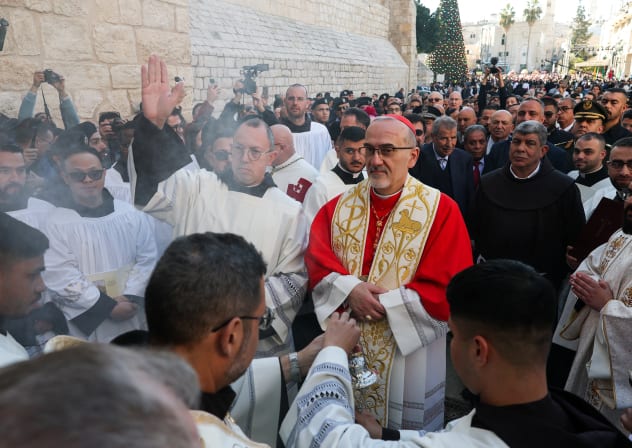
By deploying the Houthis as a pressure lever, Iran opens a new and highly sensitive front.

From public policy to bomb shelters, Israel faces a test of unity, fairness, and responsibility that will shape its future as a nation.
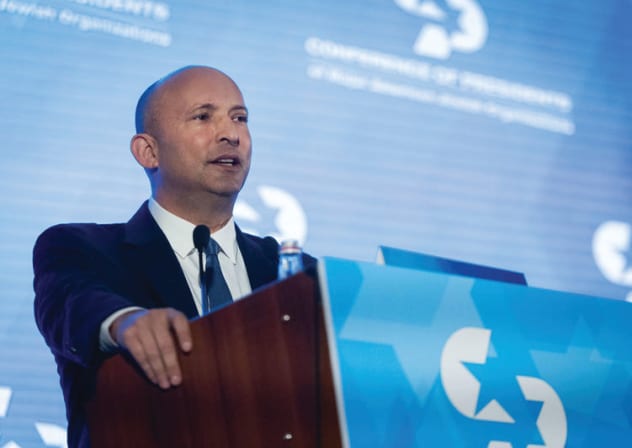
The resounding silence echoing from Brussels following Israel’s necessary, preemptive strikes on Iranian military infrastructure represents far more than a transient diplomatic lapse.

While skeptics dismiss the declarations of Iran’s leaders as mere demagoguery for domestic consumption, history teaches that ideological adversaries mean exactly what they say.

For Iran’s Revolutionary Guards, defeat could destabilize the regime from within, collapse an already fragile economy, trigger internal upheaval, and damage Iran’s image, and the Shi’ite world's.
In this sense, remaining in the land at this time is a particularly profound expression of that ancient story. It says: We are already part of the journey, and we want to be nowhere other than here.'
