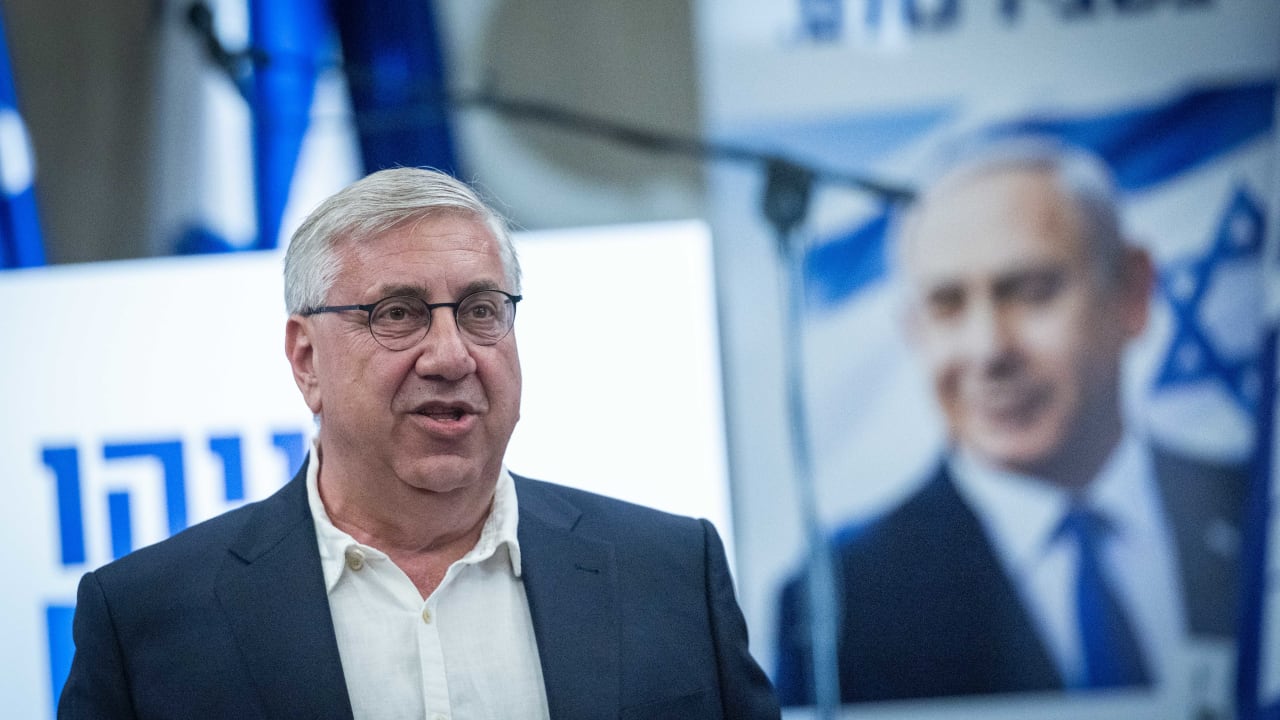
With the vote count complete, the makeup of the next Knesset is becoming clear. Alongside veteran politicians, several figures with high public profiles and notable personal and political stories will enter parliament.
Their election reflects their shift from media, senior public service positions, the security establishment, and protest movements into politics. For some, it is a direct continuation of years of public activity. For others, it will be their first opportunity to try to shape policy from inside the Knesset. These are the names to watch out for.
Yaakov Bardugo, Likud
A Channel 14 commentator and associate of Prime Minister Benjamin Netanyahu, Yaakov Bardugo has become one of the most prominent voices aligned with the prime minister in recent years. He has a long career in public life, including serving as director-general of the Federation of Local Authorities and of Mifal Hapayis, Israel’s national lottery. He now moves from the television studios to the Knesset after being given a reserved spot on Likud’s candidate list.
David Peter, Likud
A lawyer, legal commentator and former researcher at the Kohelet Policy Forum, David Peter has been closely involved in the government’s legal battles in recent years. He has represented Netanyahu, Justice Minister Yariv Levin, and National Security Minister Itamar Ben-Gvir in various proceedings. He enters the Knesset with extensive knowledge of the battle over the judiciary and the conservative positions on constitutional law.
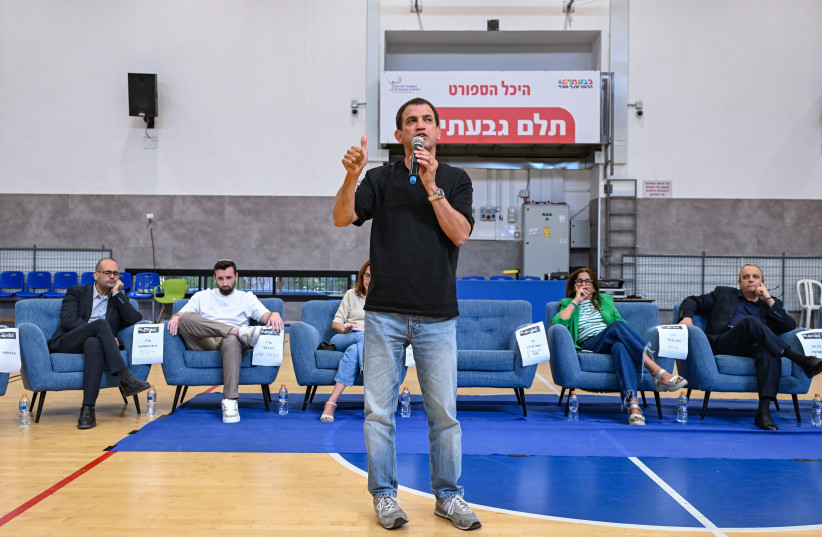
Shaul Meridor, Yashar
Shaul Meridor previously headed the Finance Ministry’s Budget Department and served as director-general of the Energy Ministry. He resigned as budget director in August 2020 following a bitter clash with then-finance minister Israel Katz and Netanyahu over the government’s economic policies during the COVID-19 pandemic.
Keren Terner, B’Yachad
A former director-general of both the Transportation and Finance ministries, Keren Terner was one of the most senior women in Israel’s public service. She and Meridor worked together among the Finance Ministry’s senior ranks during a battle over the independence of its professional staff. Terner publicly supported Meridor after Netanyahu attacked him, drawing criticism from Katz. The two now return to public life in different parties, Meridor with Yashar and Terner with B’Yachad.
Yoram Cohen, Yashar
Yoram Cohen headed the Shin Bet from 2011 to 2016. A member of the religious Zionist community with a long security career, he entered politics through Gadi Eisenkot’s party. In recent years, he has criticized the government’s conduct and Netanyahu’s policies, drawing on his extensive knowledge of the security situation.
Noam Tibon, B’Yachad
A retired major-general, Noam Tibon previously commanded the Northern Corps, the Judea and Samaria Division, and the Nahal Brigade. He became particularly well-known on the morning of October 7, when he and his wife set out to rescue their son and his family from Kibbutz Nahal Oz, helping to save other residents along the way. Since then, he has been involved in the public campaign demanding accountability for the failures surrounding the war.

Moshe Feiglin, Religious Zionist Party, joint Religious Zionist Party and Zehut list
The leader of Zehut and a former Likud MK, Moshe Feiglin returns to the Knesset after years outside parliamentary politics. In the 1990s, he led the opposition to the Oslo Accords. He later challenged Netanyahu for the Likud leadership and founded his own party. Feiglin is associated with support for Greater Israel, changes to the status quo on the Temple Mount, and libertarian economic policies.
Rafi Ben Shitrit, Yisrael Beytenu
A former mayor of Beit She’an and longtime Likud member, Rafi Ben-Shitrit left the party in which he built his political career to join Avigdor Liberman. His son, Elroi Ben-Shitrit, was killed defending the Nahal Oz military outpost on October 7. Since then, he has become a leading figure in the campaign for a state commission of inquiry through the October Council (founded by bereaved families, survivors, and relatives of hostages from October 7).
Hanamel Dorfman, Otzma Yehudit
National Security Minister Itamar Ben-Gvir’s former chief of staff at the National Security Ministry, Dorfman is one of the minister’s closest associates. He was involved in the ministry’s work and its relations with the police and other security and law enforcement agencies. His name also surfaced in investigations by the Justice Ministry’s Police Investigation Department, in which he was questioned as a suspect. He now moves from a central role behind the scenes at the ministry to the Knesset.
Yair “Yaya” Fink, The Democrats
A social and political activist, Yair “Yaya” Fink is a co-founder of Lobby 99 and a former CEO of the Darkenu movement. He was a leader of the protests against the judicial overhaul and established a reservists’ campaign for equal military service. He enters the Knesset with a socioeconomic agenda, an emphasis on sharing the burden of service equally, and a liberal religious identity.
Omri Ronen, The Democrats
A lawyer, reserve officer in the Maglan commando unit, and co-founder of Brothers in Arms, Omri Ronen was born in Kfar Aza. He lost his grandmother in the October 7 attack and took part in the fighting for the communities near the Gaza border. He was a leader of the protests against the judicial overhaul and now moves from public activism to the Knesset.