
Two-and-a-half years since October 7, Israel’s regulatory system, which had previously facilitated civilian support for IDF units, has turned into one of the primary obstacles to the receipt of this support. On April 27, a group of organizations that have provided support to IDF units testified before the Knesset Finance Committee to address regulatory obstacles that have blocked the shipment of
donations to IDF soldiers from abroad.
The hearing brought together the Ministry of Finance, the Ministry of Defense, the IDF, the Hamal Forum, El Al, and civil society organizations. Among the organizations represented at the hearing was Operation Israel, the largest US organization active in this area, which has delivered over $11 million in equipment to IDF soldiers and civilian security teams since October 23.
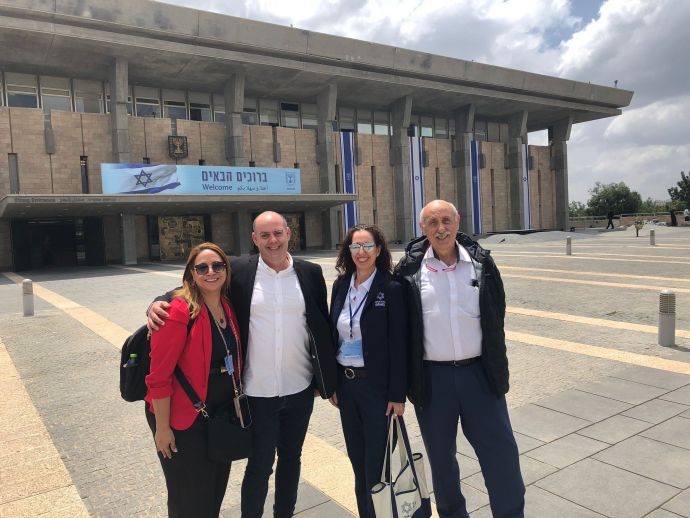
Operation Israel was represented at the Knesset hearing by its Managing Director in Israel, Smadar Lublin-Katz. Operation Israel staff explain that the core issue is that the government procedure allowing tax-exempt release of donated equipment expired at the end of 2023 and has not been renewed.
Every shipment from abroad now carries 18% VAT plus customs duties. While donations routed through the Ministry of Defense are exempt, donations from civilian organizations, even when destined for the same soldiers and the same units, are taxed in full. In addition, a protocol introduced in recent months requires coordination with a designated clearing company and a payment of NIS 900 for every release of more than two bags.
Shipments cannot be released locally at the airport and are automatically transferred to the clearing company’s warehouses, where storage charges accrue while the nonprofit negotiates release. Compounding the issue, El Al has raised its donation bag rate from $50 to $200.
In direct correspondence with Operation Israel, El Al's head of corporate communications stated: “Since the war ended and customs also changed their policies regarding donations, El Al returned to its regular bag policy.” When Operation Israel proposed a compromise rate for fewer than ten bags per month, the request was declined.
While the official IDF position is that there are no equipment shortages, Operation Israel representatives say significant gaps remain unaddressed. Newly established units, including Division 96, the Doverah Unit, and others, they say, have not received adequate equipment.
In addition, the IDF has no procurement category for gas heaters, heat lamps, face masks, or quality thermal gear, items which are essential for winters in Syria and Lebanon. “Since October 7, we have been dedicating our lives to saving the lives of IDF soldiers,” says Dr. Adi Vaxman, founder of Operation Israel. “We have direct communication and direct contact with all the field commands, and we distribute all kinds of gear.”
She says that each of the parties has avoided responsibility. “The Ministry of Defense keeps saying that the IDF declared that there’s no need for donated equipment. The tax authority says that the IDF says that they don't need anything. El Al says the IDF says it doesn't need anything.
At the end of the day, soldiers are dying because ‘nobody needs anything.’ We all need to come to the table together and find a solution. We need to find it now, and it can’t wait.” Recently, says Vaxman, Operation Israel has been supplying nets designed to trap exploding drones to prevent them from detonating on troops and vehicles in Lebanon.
Vaxman was pleased with the results of the Knesset meeting and expressed her appreciation to MK Michael Bitton, who chaired the meeting. Bitton issued a letter to various government agencies, requesting that the government reinstate the direct tax exemptions for donated equipment and asking El Al to reinstate its donation pricing policy for bags.
“He brought them all to the table, and he made them understand,” said Vaxman. “That is a huge feat by itself.” Operation Israel is an officially registered nonprofit organization in the United States, and Vaxman says that the difficulties that the organization is having getting its materials to IDF forces are affecting the connection with Diaspora Jewry and Israel.
“This is hurting us with donors. The government is working against itself and against us by not allowing us to assist where there are gaps, and there will be gaps. This issue of the connection with Diaspora Jewry in general is not only making it difficult for us to raise donations, but it is shooting Israel in the foot because Israel needs the Diaspora.
“We are all volunteers,” says Vaxman. “None of us is getting any salary. Nobody gets paid. Everybody is doing it because they are very passionate about it, and they feel that saving the lives of soldiers is a very worthy cause.”