The Gulf States welcomed on Wednesday the ceasefire agreement between the United States, Israel, and Iran, even amid ongoing Iranian missile and rocket attacks against their facilities.
Oman and Saudi Arabia were the first to welcome the ceasefire agreement, which will see a halt in fighting for the next two weeks and the begining of negotiations in Islamabad, Pakistan.
Saudi Arabia also demanded that attacks against Gulf States facilities were halted, after reports of missile strikes were still ongoing in Bahrain and the United Arab Emirates.
Qatar also welcomed the agreement, and demanded that the Strait of Hormuz must be completely secured and free of transit, in line with the current international laws regarding the safeguard of global supply chains.
Iranian proxy terror groups also said that they halted attacks on the region, with Iraq's Islamic Resistance and Lebanon's Hezbollah acknowledging the ceasefire in official statements.
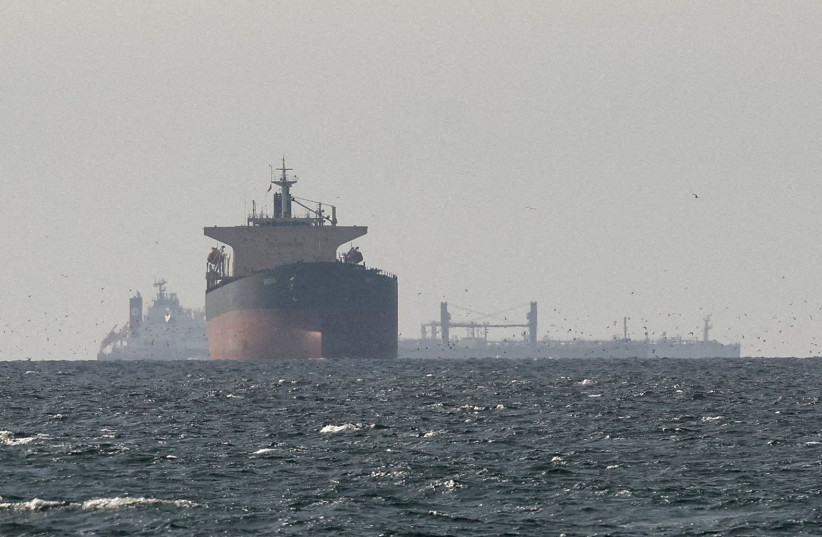
Iranian attacks continue in Gulf States
Regardless of the ceasefire, Iran continued firing rockets and drones against targets in the Gulf, with reports of falls and impacts in the UAE and Bahrain.
In the Emirates, three people were injured, and a fire was registered in the Abu Dhabi Haabshan gas complex, a result of shrapnel falling after air defenses intercepted a threat.
Air defense systems were triggered again later on the day, with the UAE's Defense Ministry saying that it was dealing with a ballistic missile attack.
In Bahrain, two people were injured, and several houses were damaged by falling shrapnel from an intercepted Iranian drone.
Kuwait's Army said that it had intercepted several drones since the ceasefire began, with many of them targeting the country's vital oil facilities and power stations.