Dna
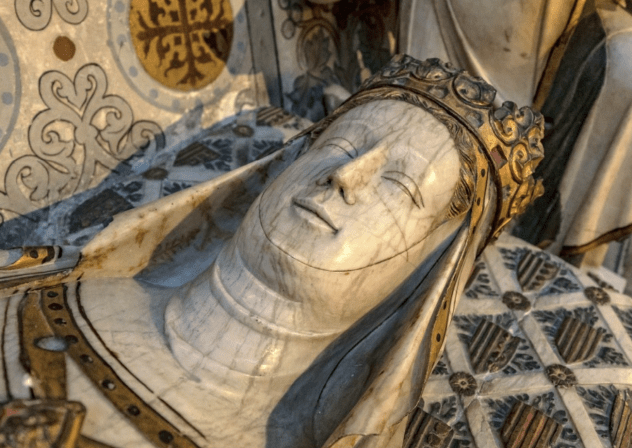
Remains of medieval European Queen Elisenda, 24 others unearthed in Barcelona
The work, which includes genetic analyses, dating, and material studies, began in 2024 and will continue until May 2027 as part of the monastery’s 700th anniversary celebrations.

Neanderthal tooth from Siberian cave shows signs of earliest-known invasive dental surgery - study

Central-Eastern Europe's oldest Neanderthal group identified by DNA taken from teeth - study

DNA analysis identifies four more members of John Franklin's lost Arctic expedition
Secrets of a drowned realm: DNA traces show the North Sea once held sprawling woodlands
Genetic material from oak, elm, hazel, and lime shows that woodlands established themselves thousands of years ahead of previous estimates.

'Ghost lineage': Ancient DNA upends the single‑migration myth of the Americas
While separated by vast distances and time, certain populations in the Americas retain hallmarks of ancestry related to modern-day Oceania.

The facade of national identity: Israel's Independence Day reflection - opinion
Independence Day becomes a stage for Israel’s unresolved conflict between individual freedom and collective belonging.

Evidence of human sacrifice, inbreeding found at ancient Korean burial complex - study
Additionally, researchers found genetic confirmation that entire families had been sacrificed together as part of sunjang, the ritualistic sacrifice of servants to be buried alongside their superiors

Perpetual Jewish family traits: Jewish genealogy, history explored by Am haZikaron Institute
Using an exact-sciences approach endorsed by a committee of 55 Nobel laureates, Am haZikaron can reveal the unique characteristics of one’s clan that have been preserved for centuries.

Tiny DNA tweak flips biological sex, researchers report
A study reports that a single nucleotide variant in the genome can make an XY individual develop as female and an XX individual develop as male.

Neanderthals who lived in Siberian cave millenia apart were distant relatives, study finds
Further analysis of the genetic similarity showed that Neanderthals in the Altai region likely lived in groups of fewer than 50 people.

Ancient DNA shows people partnered with dogs long before agriculture arose
The findings challenge prevailing domestication timelines in anthropology.

Exploring identity through art at Jerusalem's Museum on the Seam
Two exhibitions at the Museum on the Seam proffer an emotional reality check of the lay of our land.

Space sample reveals all five building blocks of DNA, scientists say
The presence of the nucleobases in the samples reinforces the hypothesis that carbonaceous asteroids contributed to the prebiotic chemical inventory of the early Earth.
