The Human Body
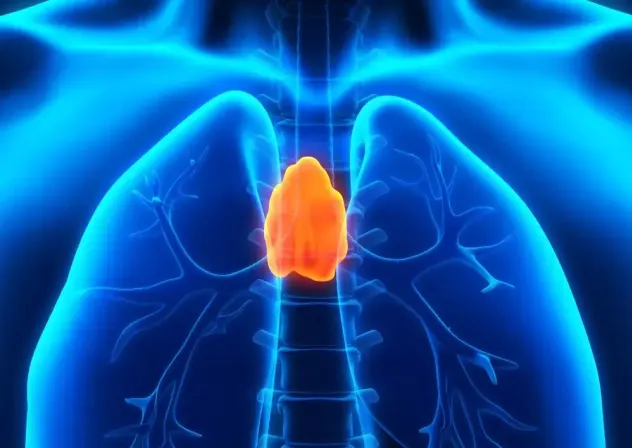
The organ doctors thought was useless turned out to be critical to health
For years, the thymus was considered an insignificant remnant from prehistoric times. However, new studies point to its significant role in the health of the immune system.

Scientists discovered the daily number of farts – and you’re probably somewhere in the middle

Men in a cave: Why awareness is our way out to the light

Research reveals key protein regulates molecule that slows aging, boosts healing - study
Secrets of the Arene Candide Cave: How Ancient Europeans Practiced Body Art
“Strategies of body transformation and the construction of social identity were already part of the human experience in Europe more than twelve thousand years ago” a researcher said.

Resetting the system inside the body’s natural reboot process
Discover how the body naturally resets and heals itself through cycles of renewal and recovery.

A cold shower on a hot day? It may feel refreshing, but it puts your health at risk
It feels like heaven, but an icy shower on a scorching summer day can actually stop the body's cooling mechanisms, raise core temperature, and pose a real risk for people with heart problems.

4 foods to consume regularly as an athlete for better muscle recovery

36.6°C no longer the average human body temperature, says Stanford study
A decrease in average body temperature could be linked to improvements in public health and a lower incidence of chronic infections compared to the 19th century.

Tobacco changed human skeletons, researchers say
The research team analyzed human skeletal remains dating from the 12th to the 19th centuries to investigate the impact of tobacco use on bone health.

How the liver remembers: The science behind intermittent fasting - study
The researchers concluded that their findings provide a deeper understanding of how repeated environmental signals, such as fasting, affect the behavior of cells and adaptation of the metabolism.

Israeli-led consortium publishes groundbreaking cell-by-cell Atlas of the human body
"When things go wrong, they go wrong with our cells first and foremost," said biologist Aviv Regev.

Australia launches 'Chart Your Fart' campaign with free app to study flatulence patterns
Data will help create a profile of 'normal' flatulence among different age groups, aiding gut health research.

The European Food Safety Authority confirms saccharin's safety and raises daily intake limit
Saccharin does not cause damage to DNA and there is no evidence it causes cancer in humans.
