Archaeology
Neanderthal children in central Europe may have hunted turtles for materials, not for food - study
The study also floated the possibility that the turtles had been hunted for “their taste or for an assumed medicinal value.”

MyHeritage's Scribe AI decodes world's oldest love letter, reveals 15th century familial tensions

Early humans may have begun eating elephants, large animals 1.8 million years ago - study

Over 20 sarcophagi belonging to ‘Chanters of Amun’ discovered during excavations near Luxor
Native American use of dice, probability predates known Old World dice by millenia - study
In total, archaeologist Robert Madden observed 659 sets of Native American dice from 57 archaeological sites across 12 different states.
Neanderthals who lived in Siberian cave millenia apart were distant relatives, study finds
Further analysis of the genetic similarity showed that Neanderthals in the Altai region likely lived in groups of fewer than 50 people.

Lost mosaic shows first visual depiction of women fighting beasts in Roman arenas - study
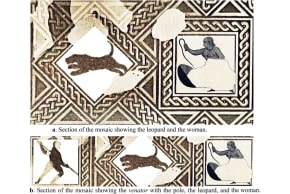
The mosaic, recovered in 1860s Reims, France and dated to the third century CE, shows about 35 different gladiatorial and hunting scenes, each surrounded by diamond or square-shaped decorations.
Scandinavia's largest prehistoric mound is not a tomb, but a memorial to a natural disaster - study
Archaeological excavations that have taken place at Raknehaugen, have all failed to discover evidence that would typically indicate a burial mound, such as a grave or human remains.

Priceless Romanian artifacts recovered a year after being stolen from Dutch museum
The Dutch government last year paid 5.7 million euros to compensate Romania for the theft.

China's largest artifact made of meteorite iron found in Bronze Age ritual site - study
To date, a total of 13 meteoritic iron artifacts have been identified in China, with most found in the country’s north.

Iron Age hoard rewrites history of wagons in Britain, may have been part of royal memorial - study
The collection's careful arrangement is indicative of a “noisy, symbolic acts of deliberate destruction," showing that the Melsonby Hoard was not just a collection of abandoned valuables.

Evidence of lost baptismal rite stage uncovered in Byzantine era church near Kinneret - study
Additional discoveries made a the site included a bronze candelabrum and marble reliquary, both the largest of their kind to ever be found in Israel.

Archaeologists unearth at least five Gaul skeletons buried sitting upright during Paris excavations
Burials such as these are unique, as only about 50 “seated skeletons” have been found across a dozen archaeological sites in Europe.

Stone stele depicting Roman emperor, Egyptian gods found near Karnak temple site in Luxor
The stele was discovered during the three-year-long restoration efforts of a gateway from the time of Ramesses III in Karnak.
