Archaeology
On This Day: Howard Carter enters King Tut's burial chamber in Egypt's Valley of Kings
Additional treasures found within the burial chamber are housed in the Egyptian Museum in Cairo.


Cambridge students find burial pit, 9th century ‘giant’ who underwent surgery during training dig

Zapotec tomb from 600 CE marks Mexico’s most ‘significant archaeological discovery’ in last decade

German archaeologists discover medieval tunnel system inside Neolithic burial site
'Nothing quite like it': UK Treasure Act names Roman carriage ornament Essex's first 'treasure'
According to the Act, archaeological finds can be given the status of Treasure if they are deemed to be of historical, archaeological, or cultural importance.

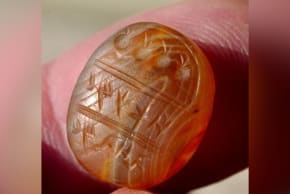
Stone seal from biblical Kingdom of Judea discovered during construction in northern Israel
The seal, which is made of a light brown gemstone, is thought by archaeologists to have been “hung like a necklace around its owner’s neck,” and decoratively divided into three.
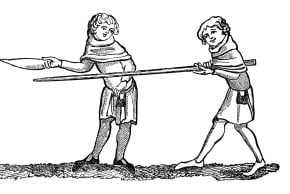
Archaeologists discover Anglo-Saxon child buried with shield, spear in medieval cemetery in Kent
Four medieval swords were also discovered during excavation.
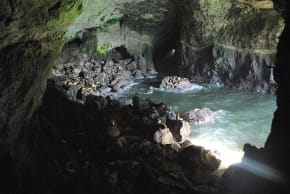
Researchers discover world’s oldest sewn hide, dated to Ice Age, in Oregon caves - study
Through carbon dating, researchers have ruled that the artifacts are between approximately 11,700 and 12,900 years old, a time when Ice Age temperatures had returned after a brief warm period.
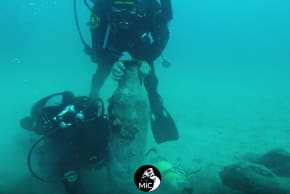
Authorities reveal discovery of fourth century Roman shipwreck off Italy’s southern coast
According to the ministry, the site has been under constant monitoring by Italy’s financial police to “protect the site from possible looting and to preserve its enormous scientific value.”
Netherlands returns 3,500-year-old sculpture stolen from Egypt during Arab Spring
Egypt requested that the artifact be returned under the 1970 UNESCO Convention, which both it and the Netherlands are beholden to.

Residue from Roman vial reveals first evidence of ancient physicians' use of fecal medicine - study
The vial, also known as an unguentarium, is commonly believed to have held perfumes or cosmetic oils.

Elephant bone found at Spanish archaeological site may have marched on Rome with Hannibal - study
The finding represents the first elephant skeletal remains found to possibly confirm Hannibal’s historical march from Carthage to Italy during the Second Punic War.

More alike than you think: CT scans of ancient Egyptian mummies reveal back pain, dental issues
Both the mummies and 3D models and prints of the scans will be on display at the California Science Center’s upcoming “Mummies of the World: The Exhibition” exhibit on February 7.

Caesarea’s Roman-era aqueduct to undergo multi-million shekel preservation, restoration project
Preservation efforts have already begun, Israel Antiquities Authority noted, adding that the project is expected to take about 40 months (nearly three and a half years).
