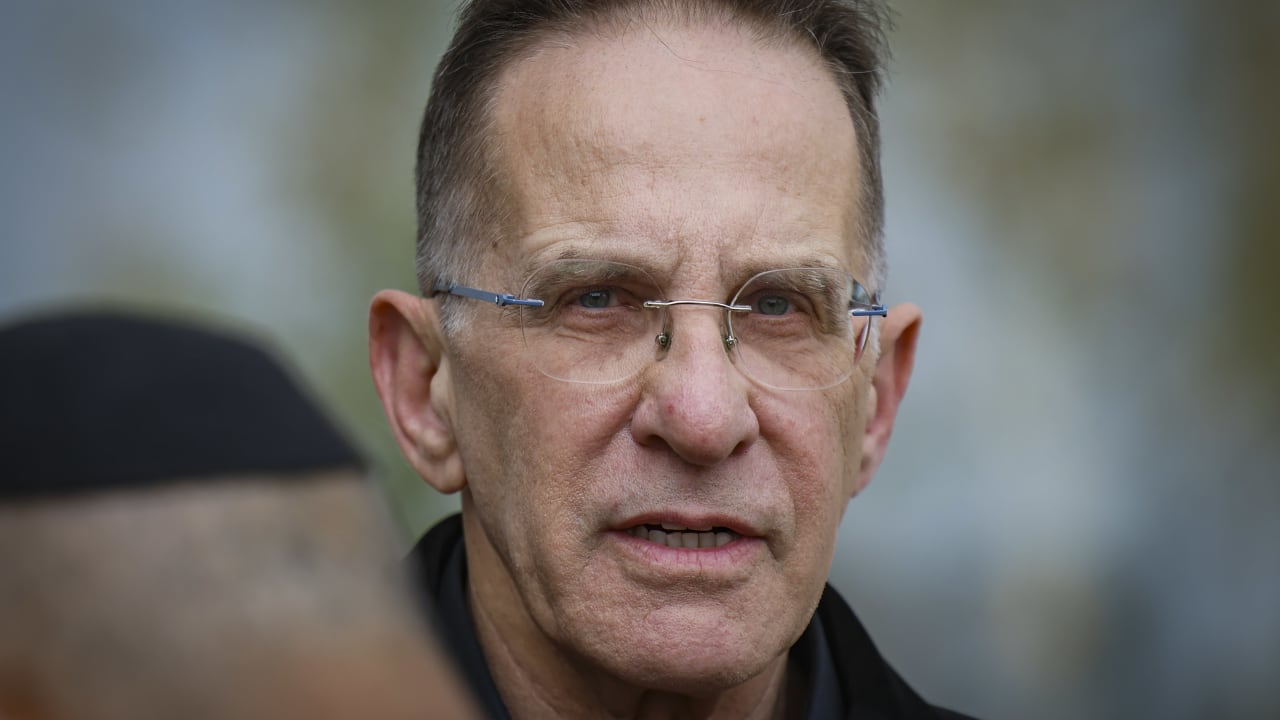
Tzachi Braverman has asked the Civil Service Commission to open an urgent investigation into what his lawyer describes as the leak of an internal disciplinary opinion recommending his suspension, escalating a legal and public fight already entwined with the probe into the so-called “midnight meeting,” linked to the classified-document Bild affair and with mounting questions over his ability to assume the post of Israel’s ambassador to the United Kingdom.
In the appeal, dated February 18 and addressed to acting Civil Service Commissioner Daniel Hershkowitz, Braverman’s attorney says her client was stunned to learn from the media that the discipline division had recommended suspending him for six months shortly after a March 9 Zoom hearing due to the war.
The letter calls the publication “an extremely grave leak” of an internal opinion and argues that its “sole purpose” was to harm Braverman’s good name, undermine his standing as Israel’s designated envoy in London, and exert illegitimate pressure on the commissioner before he decides the matter.
The filing also complains of unequal treatment, saying Braverman’s lawyers were denied access to a prosecution opinion that allegedly recommended suspension, even as the substance of the recommendation appeared in the press.
It asks for a disciplinary investigation into the leak and, in light of both the publication and the police decision not to appeal the lifting of some restrictions on Braverman, seeks an additional hearing before any final suspension decision is made.

The appeal lands in a much broader saga.
Braverman, until recently Prime Minister Benjamin Netanyahu’s chief of staff, is under investigation in the obstruction case (“midnight meeting” affair), which centers on suspicions that he warned former Netanyahu spokesman Eli Feldstein about a covert military investigation into the leak of a classified document to the German tabloid Bild and suggested he could “put it out” if the probe touched the Prime Minister’s Office.
Critical to the investigation is open testimony from Netanyahu, which has been problematic due to his wartime schedule.
Six-month suspension recommendation
Prosecutors have recommended suspending Braverman from public service for six months, a move that may carry severe diplomatic implications. If suspended, Braverman would be unable to assume the London post for which he was approved last year.
In that sense, Braverman’s new appeal is not just a complaint about press exposure; it is an attempt to challenge the integrity of the suspension process itself at the very moment when the criminal case, the disciplinary track, and his ambassadorial future are converging.
His lawyer frames the alleged leak as both reputational harm and procedural unfairness, in that an internal recommendation, still awaiting a formal decision, was allegedly aired in public while the defense itself was denied access to the underlying material.
The argument comes after a series of court fights over Braverman’s release conditions in the Bild-related investigation.
On March 5, a magistrate’s court lifted key restrictions, including a bar on contact with Netanyahu, while still prohibiting discussion of the investigation with the prime minister. On March 10, restrictions were briefly extended by 48 hours as police sought access to Braverman’s phone.
Police ultimately decided not to appeal the later easing of some restrictions. Those developments weakened the immediate practical barriers to Braverman’s movement, but they did not resolve the separate question of whether the Civil Service Commission would suspend him from any state role.
The diplomatic implications remain substantial. From the start, much of the public debate has turned not only on Braverman’s legal exposure but on whether someone under active investigation for alleged obstruction in a sensitive national-security-linked matter can credibly represent Israel in one of its most important European postings.
In January, both the Movement for Quality Government and opposition leader Yair Lapid called for the immediate suspension of Braverman’s appointment as envoy to Britain after his questioning became public.
Foreign Minister Gideon Sa’ar, by contrast, said at the time that Braverman had been lawfully appointed and had passed all required stages.