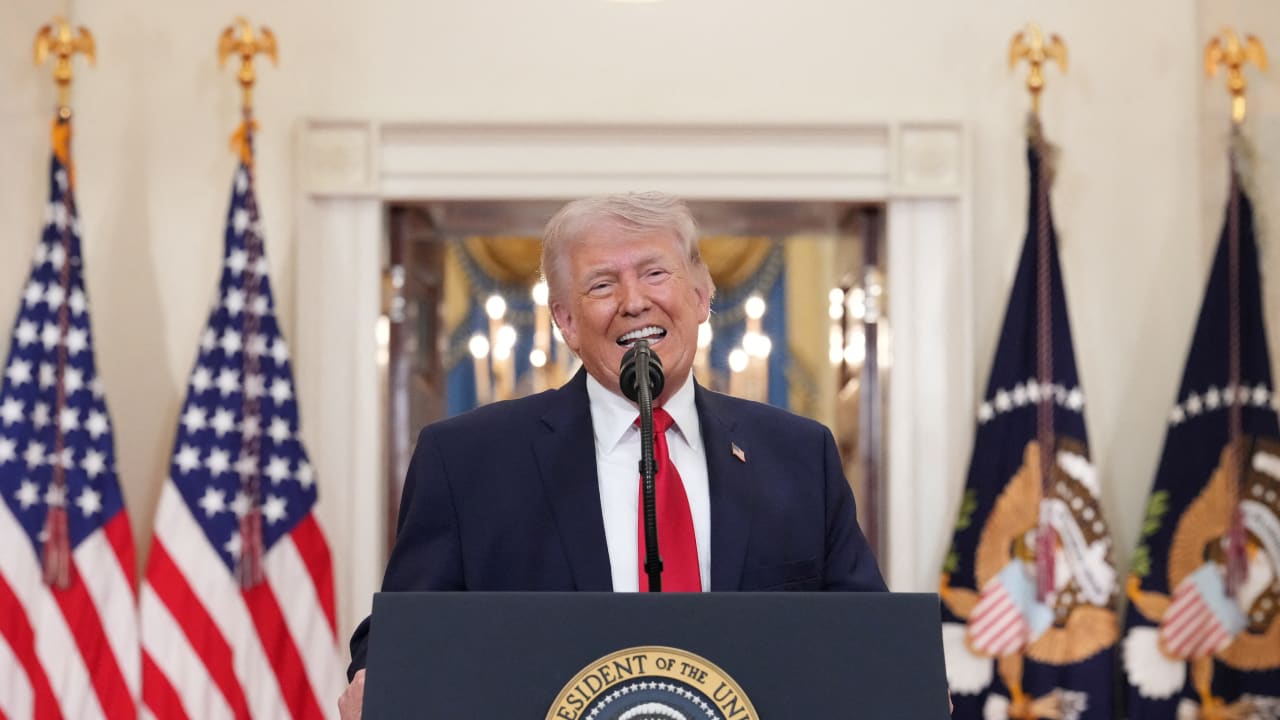
A senior Israeli official told The Jerusalem Post on Monday that Jerusalem did not expect a ceasefire to take shape in the coming days, despite earlier suggestions that such a move could be under discussion.
The official said Israel and the United States were now more closely aligned than at any previous point, while stressing that each country still had its own strategic goals. According to the official, US President Donald Trump and Prime Minister Benjamin Netanyahu were more coordinated than any previous American and Israeli leaders.
US, Iran studying Pakistani ceasefire proposal as Trump's 'hell' deadline looms
With a US deadline approaching, the United States and Iran received the framework of a plan to end their five‑week-old conflict, though Tehran rejected any immediate move to reopen the Strait of Hormuz.
US President Donald Trump has threatened to rain "hell" on Tehran if it did not make a deal by the end of Tuesday that would allow traffic to start moving again through the vital route for global energy supplies.
A framework to end hostilities has been put together by Pakistan and exchanged with Iran and the US overnight, a source aware of the proposals said, outlining a two-tier approach with an immediate ceasefire followed by a comprehensive agreement.
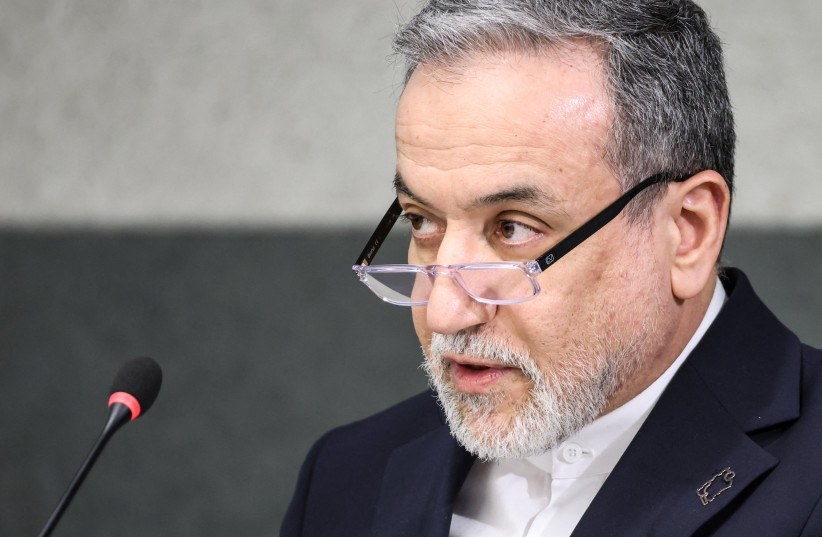
"All elements need to be agreed today," the source said, adding that the initial understanding would be structured as a memorandum of understanding finalized electronically through Pakistan, the sole communication channel in the talks.
Phase one would involve a 45-day ceasefire, during which a permanent end to the war would be negotiated. Phase one could be extended if more time was needed for talks, Axios reported, citing several US and Israeli sources.
According to the sources, mediators think that only a final deal will lead to fully reopening the Strait of Hormuz and to a solution to the problem of Iran’s highly enriched uranium.
Reuters and Danya Saperstein contributed to this report.